
Residential Advisory
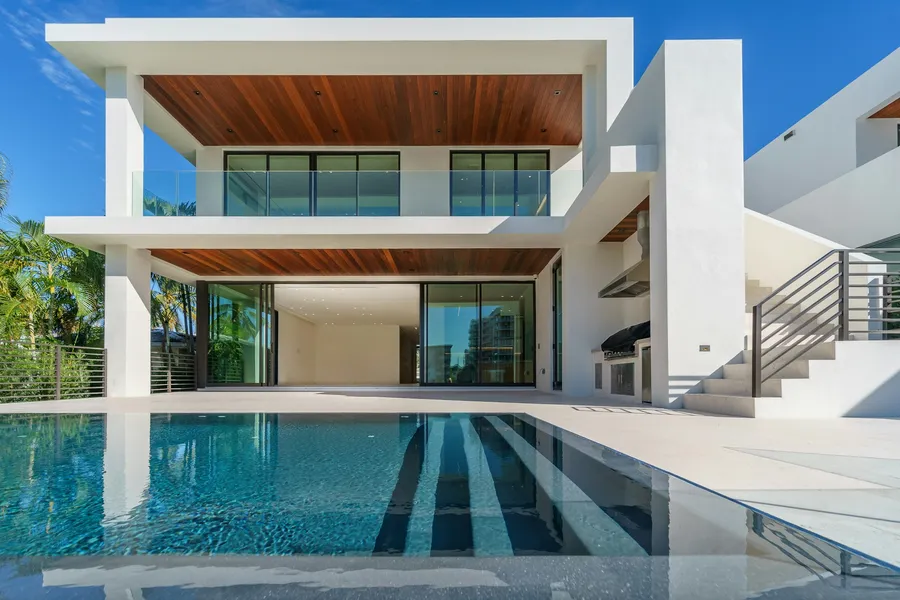
Homes to lease or buy, including property foreigners can own.

Aligned with Vision 2030 · Riyadh
Property advice for expatriates, investors and companies in Saudi Arabia, backed by market data.
What we do
Homes to lease or buy, including property foreigners can own.

Offices and regional headquarters that fit your plans.
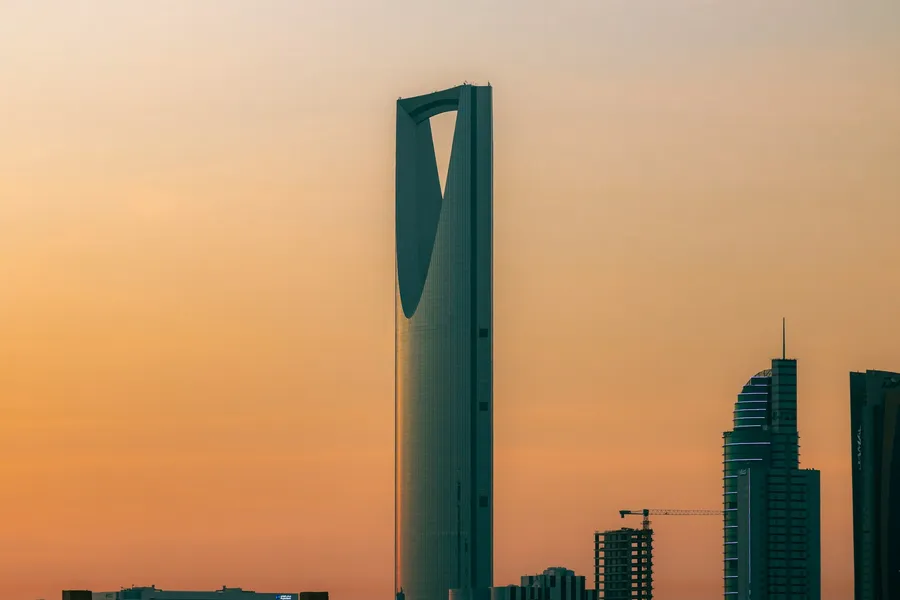
Yield, ROI and financing analysed before you commit.
Due diligence, financing and compliance through to closing.
How we work
One advisor, accountable from start to finish.
Budget, districts, timeline and the rules that apply to you.
Permitted zones confirmed, Saudi Properties registration and digital ID in place.
On- and off-market matches, compared on price and yield, viewed in person or by video.
Terms negotiated, unit reserved, deposit documented.
Title deed, developer licence and Wafi escrow checked. Financing arranged.
RETT settled, title transferred through Najiz, then handover, utilities and Ejar if you plan to let.Sale agreement signed, payments into the Wafi escrow account, keys at developer handover.
Free tools
Your monthly payment and budget under SAMA home finance rules.
Calculate my paymentYield, cash flow and 10-year return, fees included.
Estimate my returnYour brief as a PDF, with matching listings.
Figures are indicative and are not a financing offer or investment advice. Home finance is subject to lender approval and residency status.
What sets us apart
Multilingual advisors who know the ownership rules.
Decisions on current prices and yields.
Legal, financial and regulatory steps handled for you.
“We are advisors first: a clear picture and advice you can trust.”
Saad AbdallahFounder & Managing Director
Common questions
Yes, within limits. Saudi Arabia’s updated law on real estate ownership by non-Saudis took effect in January 2026. It allows ownership in designated geographic zones, and legal residents can generally own a home for personal use. Eligibility depends on your residency status, the property’s zone and the published geographic scope. PrimeSpace checks all three before any offer is made.
You need a valid Iqama (residence permit) or company sponsorship, a Saudi mobile number and a bank account for payments. Every residential lease is registered on the government Ejar platform, which protects both tenant and landlord. Rent is usually paid annually, semi-annually or quarterly, plus a refundable security deposit.
Saudi citizens buying their first home can borrow up to 90% of the property value under SAMA rules, so the minimum down payment is 10%. Second homes and most non-Saudi borrowers typically need 30% or more. Banks also cap total monthly debt repayments as a share of salary (the debt-burden ratio), which our mortgage calculator checks for you.
Budget for the 5% Real Estate Transaction Tax (Saudi citizens are exempt on the first SAR 1 million of a first home), a brokerage commission of up to 2.5% plus VAT, and bank valuation and arrangement fees if you finance. Our return calculator includes these costs, so your yield is worked out on the real all-in cost.
Market reports for early 2026 put average gross residential yields at roughly 8–9% in Riyadh, around 8% in Jeddah and around 6% in the Eastern Province. Net yields are typically 1–1.5 points lower after service charges, maintenance and vacancy. Riyadh rent increases on existing contracts are also restricted under the five-year freeze announced in September 2025, so factor that into any income forecast.
Get in touch
Tell us what you need. An advisor replies in business hours with a shortlist.
Sunday–Thursday, 9:00–18:00